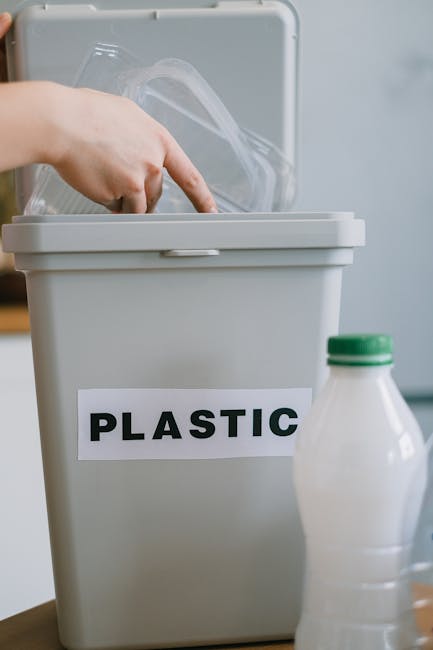
Waste disposal rules for Barnsbury removals and council guidance
Moving home or clearing a property in Barnsbury can feel simple at first: pack the boxes, load the van, and take the unwanted bits away. Then the rubbish turns up. Broken furniture, old mattresses, paint tins, bags of mixed clutter, that one radiator you meant to sort out months ago - suddenly the move is not just a move. It is a waste disposal job too.
This guide explains the practical side of Waste disposal rules for Barnsbury removals and council guidance in plain English. You will find out what usually needs separating, what should never be left on the pavement, how to plan disposal before moving day, and how to stay on the right side of local expectations without turning the process into a headache. If you are trying to move cleanly, avoid fines, and keep things civil with neighbours and building managers, you are in the right place.
For readers who want a wider view of the moving process, it can also help to look at related pages such as removals, house removals, and furniture removals while you plan your clearance.
Table of Contents
- Why this matters in Barnsbury
- How the rules and council guidance work
- Key benefits and practical advantages
- Who this is for and when it makes sense
- Step-by-step guidance
- Expert tips for smoother disposal
- Common mistakes to avoid
- Tools, resources and recommendations
- Law, compliance and best practice
- Options, methods and comparison table
- Case study or real-world example
- Practical checklist
- Conclusion
- Frequently asked questions
Why Waste disposal rules for Barnsbury removals and council guidance Matters
Waste rules matter because removal day is often the moment when good intentions collide with reality. You open a cupboard and discover three half-used cleaning products. You lift a sofa and find the floor underneath is hiding old packaging, a child's toy, and a weird collection of cables. It happens. The question is what you do next.
In Barnsbury, as in much of London, waste has to be dealt with properly. Fly-tipping, placing rubbish out on the street too early, mixing different waste types, or handing items to an unlicensed carrier can create trouble for everyone involved. The property owner, the tenant, the removals team, and even the building manager may all end up dealing with the fallout.
There is also a practical side. Waste sorted correctly tends to move faster, costs less to handle, and creates fewer delays on the day. That matters in a place where parking can be tight, access can be awkward, and a removal van does not have all day to sit outside. To be fair, a little planning saves a lot of stress.
The best removal days feel calm because the waste plan was made before the first box was lifted. That is the goal here.
How Waste disposal rules for Barnsbury removals and council guidance Works
The basic idea is straightforward: different kinds of waste need different handling. Some items can be reused, some can be donated, some need recycling, and some require specialist disposal. The guidance you follow will usually depend on the item itself, whether it is household or business waste, and how it will be collected.
For a typical Barnsbury move, waste sorting usually falls into a few broad groups:
- Reusable items such as furniture, appliances, books, and household goods that still have life left in them.
- Recyclables such as cardboard, paper, metals, some plastics, and clean glass, depending on local collection arrangements.
- General waste that cannot be reused or recycled.
- Bulky waste like wardrobes, sofas, mattresses, beds, and large broken items.
- Special waste such as electrical items, paint, solvents, batteries, fluorescent tubes, and other items that should not just go in an ordinary bag.
That is the practical framework. The council side of the picture usually focuses on two things: whether waste is presented correctly and whether it is collected or disposed of through lawful channels. Council guidance often covers set-out rules, prohibited dumping, and local collection expectations. Removal companies, meanwhile, should make sure they do not leave you with a pile of mixed waste and a shrug.
If you are using a service for the move itself, ask how they separate reuse from disposal. A good operator will usually think in layers: can it be kept, can it be passed on, can it be recycled, or does it need to be removed as waste? That order matters. It is not glamorous, but it keeps everything cleaner and, frankly, easier.
For larger moves, the waste plan often sits alongside packing, loading, and transport. Services like packing and boxes and packing and unpacking services can help keep useful items separate from rubbish from the start, which makes a surprising difference by the end of the day.
Key Benefits and Practical Advantages
Good waste disposal is not just about avoiding problems. It makes the entire move feel more controlled. Here are the main advantages people notice in real life.
- Less stress on moving day because you are not making last-minute decisions over every broken chair or old box.
- Cleaner loading and unloading since the van is not carrying unnecessary junk alongside the items you actually want.
- Better compliance with local expectations and building rules, which reduces the chance of complaints.
- More recycling and reuse when items are separated properly instead of being thrown together.
- Lower chance of damage or contamination because waste, fragile items, and valuables are handled in the right order.
- Better cost control since mixed waste and rushed clearances usually create avoidable expense.
One small but useful benefit is psychological. When the waste is sorted early, the move starts to feel finished before the van has even left. You notice the difference the next morning when you are not staring at three mystery bags and a dismantled shelf in the hallway.
There is also a neighbourly benefit. Barnsbury is a lived-in, close-up part of London, and people notice if bins overflow, bags are left in the wrong place, or a move seems careless. Doing waste properly keeps the whole process quieter and more respectful.
Who This Is For and When It Makes Sense
This guide is useful for a lot of people, not just those throwing things away. In practice, it applies to anyone clearing, moving, or reorganising property where unwanted items need to be handled correctly.
You will find it especially useful if you are:
- moving from a flat and need to dispose of old furniture or broken household items
- preparing a house move and want to reduce what gets loaded into the van
- clearing a rental property at the end of a tenancy
- moving offices and dealing with desks, chairs, filing, or packaging waste
- downsizing and deciding what can be sold, stored, recycled, or disposed of
- handling a same-day move where there is no room for waste to be dealt with later
It also makes sense for landlords and letting agents. A property that is cleared properly is easier to inspect, easier to hand over, and less likely to become a dispute. The same goes for student movers, who often end up with a lot more disposable packing material than they expected. It grows quickly. One minute it is a couple of cartons, and by evening it looks like a cardboard mountain.
If you need short-term space for items you are not ready to dispose of, storage can be a sensible bridge between "not needed now" and "ready to let go".
Step-by-Step Guidance
If you want a smooth process, keep it simple and deliberate. Here is a practical sequence that works well for most Barnsbury removals.
- Walk through the property early. Check cupboards, loft storage, under-bed spaces, basement corners, and the back of wardrobes. The forgotten stuff is usually where the headaches are hiding.
- Sort into clear categories. Keep items for moving, items for reuse, items for recycling, and items for disposal in separate piles or rooms.
- Identify risky items. Look out for paint, batteries, cleaning chemicals, gas canisters, damaged electronics, and anything sharp or leaking.
- Decide what should be donated or repurposed. A usable table is not waste just because you are tired of it.
- Check building and access rules. If you are in a managed block, ask about lift bookings, loading bays, and where waste may be staged.
- Choose the right disposal route. Use the relevant collection method for the type of waste, rather than dumping everything into one solution.
- Keep disposal separate from moving items. That sounds obvious, but it saves confusion when the van arrives and everyone is in a rush.
- Confirm timing. Try to remove waste before the final move-out sweep so there is time to fix anything missed.
If you are arranging a domestic move, services such as home moves, flat removals, and house removals are often easier to coordinate when waste is handled first rather than last. In our experience, last-minute waste is where people lose time. Every time.
A small but useful habit: label one box as "dispose", one as "donate", and one as "unsure". The "unsure" box stops you making rushed decisions just because you are staring at a hallway full of bits and pieces at 7:40 in the morning.
Expert Tips for Better Results
Here are the things that make waste handling noticeably easier during a Barnsbury move.
- Start with the largest items first. Big waste creates the most logistical friction. If you clear the bulky bits early, the rest becomes much simpler.
- Keep materials clean where possible. Cardboard, metal, and certain packaging are easier to manage when they are not soaked, greasy, or mixed with food waste.
- Do not mix hazardous items with ordinary rubbish. It may seem quicker in the moment, but it causes problems later.
- Photograph anything unusual. If you are unsure whether an item is recyclable or needs special handling, a quick photo can help with planning.
- Protect floors and shared spaces. Stairs, lifts, and communal hallways are easy to damage when waste bags are overfilled. Then it is nobody's favourite afternoon.
- Leave buffer time. Good disposal always takes longer than people think, especially in London streets where access is tight and parking is not exactly generous.
For heavier or awkward items, a properly equipped crew matters. If your move includes awkward furniture or a lot of shifting between floors, you may find man and van or removal services a better fit than trying to improvise with a tiny vehicle and a lot of optimism.
One more thing: keep a rubbish bag or crate near the exit as you pack. It sounds minor, but it stops one room becoming the dumping ground for "things to sort later". Later has a funny way of turning into never.
Common Mistakes to Avoid
Most waste problems during removals come from a few familiar mistakes. They are easy to avoid once you know what they look like.
- Leaving rubbish outside too early. Bags left out before the proper collection time can create complaints or attract pests.
- Assuming everything can go in one load. Mixed waste is rarely the simplest option, especially where special items are involved.
- Forgetting about hazardous items. Paint, batteries, aerosols, and certain cleaners need separate attention.
- Not checking building rules. Some blocks are strict about lift bookings, corridor protection, and where waste can be staged.
- Using the cheapest unknown carrier. If someone cannot explain what happens to the waste, that is a red flag. Honestly, a big one.
- Leaving sorting until moving day. By then your attention is split, the kettle is somewhere in a box, and decisions get sloppy.
Another common issue is simple overconfidence. People think they will "just deal with it as we go". Sometimes that works. Often it does not. A little structure beats heroic improvisation.
If the job involves commercial clearances, commercial moves and office removals tend to need even more careful waste segregation because documents, electronics, and furniture usually all leave the site in different ways.
Tools, Resources and Recommendations
You do not need fancy equipment to handle waste well, but a few basic tools make a real difference.
- Heavy-duty bin bags for general waste and soft mixed items.
- Cardboard boxes or crates for clean recyclables and small reusable goods.
- Labels or marker pens to mark what is being kept, donated, or disposed of.
- Gloves for handling dusty, broken, or sharp items.
- Tape and zip ties for securing loose parts from dismantled furniture.
- Blankets or wraps to protect items you want to move, not dump.
From a planning point of view, it helps to think in three stages: before packing, during packing, and final clearance. That sequence keeps waste from leaking into the move itself. The difference is small on paper and huge in practice.
For readers looking to coordinate move logistics and disposal together, removals, removal van, and moving truck pages are useful starting points when choosing the right transport scale for the job. If there is a lot of waste to move, transport capacity matters more than people expect.
And if your move is more time-sensitive than planned, same day removals can be the kind of practical backup that saves the day when the calendar has already gone sideways.
Law, Compliance, Standards, or Best Practice
Waste disposal in the UK sits under a legal and practical framework that is meant to keep waste traceable, safe, and properly handled. You do not need to memorise the legal detail to behave well, but you do need to understand the basic expectations.
In plain terms:
- Duty of care matters. Waste should be passed only to people or services that are authorised and able to handle it properly.
- Fly-tipping is not harmless. Leaving waste in the wrong place or at the wrong time can lead to penalties and disputes.
- Hazardous and electrical waste needs caution. These items often require special handling and should never be treated like regular household rubbish.
- Landlords and tenants both have responsibilities. Handover standards are cleaner when everyone understands what is staying, what is going, and who is responsible for it.
- Best practice is to document unusual items. That way, if something is disputed later, there is at least a record of what was identified.
Council guidance can vary by area and collection method, so it is always sensible to check the current local instructions before setting anything out. If you are in a managed building, follow building rules as well. Those two layers often work together, and ignoring one can create unnecessary friction.
Health and safety policy and insurance and safety information are useful reminders that safe handling is not just about the truck. It is about stairs, hands, lifting, access, and protecting the people around the job too.
For those who care about reducing waste rather than merely getting rid of it, recycling and sustainability is a sensible page to review. Sustainability is not a slogan here; it is mostly about making thoughtful decisions with the items you already have.
Options, Methods, or Comparison Table
There is more than one way to deal with waste during a Barnsbury move. The best choice depends on volume, item type, timing, and how much sorting you can do yourself.
| Method | Best for | Strengths | Watch-outs |
|---|---|---|---|
| Reuse or donate | Good-quality furniture, homeware, books, and clothing | Reduces waste, simple when items are in decent condition | Needs time, and not everything is suitable |
| Separate recycling | Cardboard, clean packaging, some metals and plastics | Good environmental outcome, often easy if sorted early | Mixed or dirty items may be rejected |
| Bulky waste collection | Large items like beds, sofas, wardrobes, mattresses | Designed for awkward items, less manual handling for you | Booking, timing, and item restrictions may apply |
| Professional removals support | Whole-property clearances, busy move days, mixed loads | Saves time, reduces lifting, helps organise the whole process | Needs clear instructions so keep/dispose items do not get confused |
| Storage first, disposal later | Uncertain items, temporary moves, downsizing | Gives breathing room, avoids rushed disposal choices | Extra step, and yes, it means you still have to make the decision later |
In many Barnsbury moves, the most sensible blend is not one method but two or three. A sofa might be reused, cardboard recycled, and broken shelving disposed of separately. That mixed approach is usually the cleanest and least stressful.
Case Study or Real-World Example
A practical example helps here. Imagine a two-bedroom flat near Barnsbury with a move-out deadline on Friday afternoon. The tenants have one bed frame to dispose of, a dining table with a loose leg, six bags of general clutter, several boxes of kitchen packaging, and a few small electrical items.
If everything is left until the day before the move, the result is predictable: the hallway fills up, the lift booking gets tight, and someone starts making rushed decisions about what to keep. That is exactly how useful items end up in the wrong pile.
A better approach would be this:
- two days earlier, identify all waste and separate it into categories
- put reusable furniture aside for donation or resale
- store clean cardboard together for recycling
- keep electrical items and anything questionable in a separate box
- schedule disposal so it happens before the final cleaning sweep
By the end, the move feels less frantic. The van carries what should be moved, not half the contents of a household that had no plan. Small detail, big difference.
In this kind of job, a service that can handle furniture and disposal together is often useful, especially if you need furniture pick up or furniture removals as part of the wider move. That keeps the whole thing in one sequence instead of bouncing between different providers and different timings.
Practical Checklist
Use this checklist before move day. It keeps things simple and it is easy to print or copy into your notes.
- Separate keep, donate, recycle, dispose, and unsure items
- Check for batteries, paint, aerosols, chemicals, and other special waste
- Measure bulky items that may need dismantling
- Confirm lift, parking, and access arrangements
- Protect hallways and floors in shared buildings
- Label boxes and bags clearly
- Keep general waste away from reusable items
- Set aside electrical items separately
- Use secure, reliable disposal arrangements
- Do a final sweep of cupboards, lofts, sheds, and under furniture
- Leave time for one last review before the van arrives
If you can tick most of those boxes, you are already ahead of the usual moving-day chaos. Not perfect, maybe. But much better.
Get a free quote today and see how much you can save.
Conclusion
The most useful way to think about waste during a Barnsbury move is this: it is part of the move, not an extra annoyance bolted on afterwards. When you handle disposal early, separate items properly, and follow council guidance carefully, the whole process becomes calmer and far more predictable.
That does not mean every move will be tidy or effortless. Life gets messy. Cupboards contain surprises, plans change, and someone always finds the odd missing charger at the worst possible moment. But with a clear waste plan, you can keep the mess under control and finish the day with much less friction.
And that, really, is the point. A move done properly feels lighter - physically and mentally. One less thing hanging over you.
Frequently Asked Questions
What are the basic waste disposal rules I should follow during a Barnsbury move?
Start by separating reusable items, recyclables, general waste, bulky items, and anything hazardous. Do not leave rubbish out early, and do not assume every item can go in one mixed load.
Can I put old furniture on the pavement outside my property?
Usually not unless it is part of a lawful collection arrangement. Leaving furniture on the pavement too early can cause complaints, block access, or count as improper disposal.
What items count as special or hazardous waste?
Common examples include paint, batteries, aerosols, cleaning chemicals, fluorescent tubes, and some electrical items. If something is leaking, damaged, or contains chemicals, treat it carefully and separately.
Do I need to separate cardboard from other moving waste?
Yes, where possible. Clean cardboard and packing paper are usually much easier to recycle when they are kept separate from food waste, tape-heavy rubbish, or broken items.
How do I know whether something should be reused or thrown away?
Ask a simple question: would someone else realistically want it in its current condition? If the item still works, looks presentable, and is safe to use, reuse or donation is often worth considering.
What should I do with broken electronics during a move?
Keep them separate from ordinary rubbish. Broken electrical items usually need special handling, and mixing them into general waste is not a good idea.
Are council guidance and building rules the same thing?
No. Council guidance covers local waste expectations, while building rules may cover lift bookings, loading times, corridor protection, and where waste can be placed. You need to follow both if they apply.
Is it better to dispose of waste before or after moving day?
Before, ideally. Clearing waste early makes loading easier, reduces confusion, and gives you time to deal with anything you missed. Leaving it until after the move tends to make the final tidy-up drag on.
Can a removals service take away unwanted items too?
Sometimes, yes, depending on the service and the items involved. It is best to confirm in advance exactly what can be taken, what needs separating, and how disposal is handled.
What is the biggest mistake people make with waste during removals?
The biggest mistake is leaving sorting until the last minute. Once the van is due, decisions get rushed, items get mixed, and the process becomes much more awkward than it needed to be.
How can I make a flat move cleaner and easier?
Sort waste early, protect shared spaces, label everything clearly, and keep keep/recycle/dispose piles separate. If needed, use services such as flat removals to keep the physical move organised as well.
Where can I find more information about safety and reliable handling?
Useful starting points on the site include health and safety policy, insurance and safety, and about us. They help set expectations for careful, responsible work.
What if I only have a small amount of waste?
Even small clear-outs benefit from sorting. A couple of bags, a broken chair, and a box of old cables may not look like much, but they still need the right route. Little jobs are often where people get casual and then regret it later.
How do I plan waste disposal for a same-day move?
Focus on essentials only. Separate waste into clear categories before the moving team arrives, keep hazardous items apart, and avoid adding any undecided clutter to the load. With same day removals, speed and clarity matter more than anything else.
A final thought: good waste handling is not about being obsessive, just organised enough to make life easier for yourself and everyone else. That is often enough.