Barnsbury removals guide for Canonbury Road properties
If you are planning a move on Canonbury Road, you already know this is not the sort of street where you can just turn up with a van and hope for the best. The layout, parking pressure, shared entrances, top-floor flats, and the general stop-start rhythm of North London all shape how a move should be handled. This Barnsbury removals guide for Canonbury Road properties is designed to help you plan properly, avoid last-minute stress, and make sensible decisions about the right moving setup for your home or flat.
Whether you are leaving a compact first-floor flat, moving into a family house, or shifting a mix of furniture, boxes, and awkward items, the real job is to remove uncertainty. That is the part most people underestimate. A smooth move is rarely about luck. It is usually about access, timing, packing, and choosing a removals service that fits the building rather than fighting it.
Below, you will find a practical, local-first guide covering how Canonbury Road moves tend to work, what to prepare in advance, which service options suit different property types, and where things usually go wrong. A few small details can save a lot of hassle. Truth be told, they often do.
Why Barnsbury removals guide for Canonbury Road properties Matters
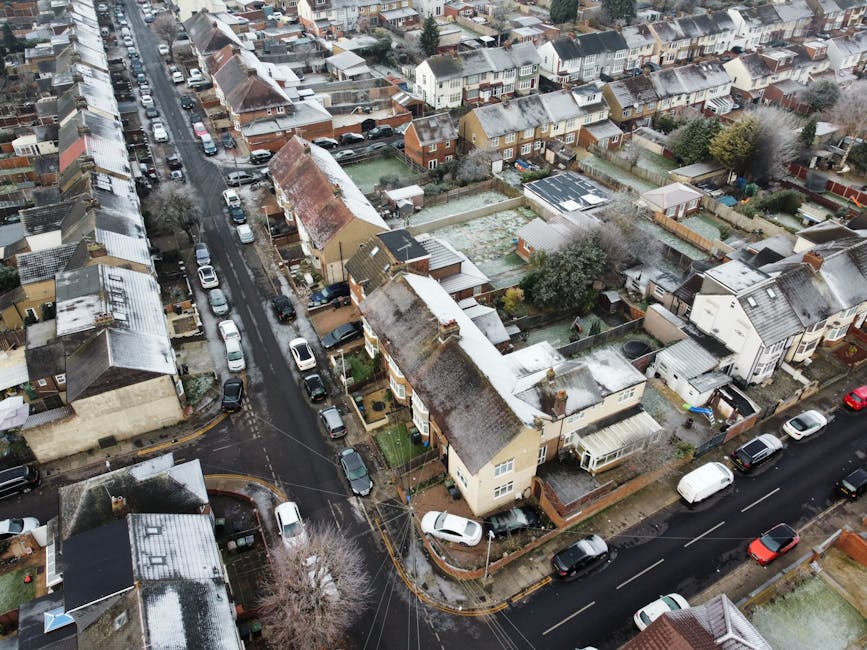
Canonbury Road properties sit in a part of Islington where moving logistics matter as much as the move itself. Streets can be busy, parking can be tight, and many homes are in converted buildings or terraces where access is a bit fiddly. That matters because removals are not just a lifting job; they are a planning exercise.
For a ground-floor flat, the move may be straightforward. For a second- or third-floor property with narrow stairs, it can become a very different story. Add in neighbours, shared hallways, time restrictions, or fragile furniture and the picture changes again. A good guide helps you think through all of that before moving day arrives.
It also matters because people often choose the wrong type of help for the property. A small move may suit a man and van arrangement, while a larger family relocation may need a fuller house removals service. If you are moving from a flat with stairs and limited loading space, flat removals can be a smarter fit. Little distinctions like that make a real difference on the day.
Expert summary: On Canonbury Road, the best removals plan is usually the one that respects the building, the street, and your volume of belongings rather than trying to force a one-size-fits-all approach.
And yes, there is a human side to this too. Anyone who has watched a sofa take five minutes too long to clear a staircase knows that small delays become big stress if the plan is vague. Better to prepare calmly now than improvise at the kerbside later. Nobody enjoys that bit.
How Barnsbury removals guide for Canonbury Road properties Works
The practical way to approach a Canonbury Road move is to break it into four stages: survey the property, match the right service, prepare access, and manage the actual move with clear timing. That is the core process, even if your final arrangement is fairly simple.
First, look at the property itself. Is there a lift? How many stairs are there? Can a van stop close enough to the entrance without blocking traffic? Are there awkward items such as mirrors, desks, bikes, a piano, or large wardrobes? These details shape the vehicle size, the number of movers, and how much time you should allow.
Next, match the service to the job. A small number of boxes and a few pieces of furniture may suit a man with a van or man with van option. Larger or more complex moves often work better with a broader removal services package, especially if there is heavy furniture or a full household to shift. If you need a bigger vehicle, a moving truck may be the more practical choice.
Then comes access. This is where local knowledge helps a lot. Parking, loading distance, stairwell width, and how many trips are needed can all affect timing. On a street like Canonbury Road, even a simple move can feel more involved if the vehicle cannot sit nearby for long. It is worth planning a realistic loading window and keeping the route between the entrance and the vehicle as clear as possible.
Finally, the moving day itself should be orderly, not chaotic. Boxes should be labelled, fragile items separated, and furniture protected. If you want the handoff to be smoother, consider packing and boxes support or even packing and unpacking services if time is tight. That sort of help can be a lifesaver when you are juggling work, children, or just the general noise of life.
Key Benefits and Practical Advantages
There are some obvious benefits to planning your move properly, but the most valuable ones are usually the quiet, practical ones. Less lifting. Fewer delays. A calmer start in your new home. And, frankly, fewer moments where you stand in a hallway wondering where the kettle box disappeared to.
- Better access planning: You avoid last-minute confusion around parking, entry points, or stair access.
- More suitable service choice: You can choose between a small van, larger truck, or a fuller removals package based on actual need.
- Reduced breakage risk: Proper packing and handling protect furniture, electronics, and sentimental items.
- Cleaner scheduling: A well-planned move is easier to fit around keys, checkout times, school runs, and work commitments.
- Less physical strain: Heavy lifting is always easier when the right equipment and crew are in place.
- Faster settling in: If boxes are labelled by room, unpacking becomes much less painful. Much less.
For properties near Canonbury Road, another benefit is simply confidence. When you know the route, the access, and the service type, the move feels manageable. That matters more than people expect. It is hard to overstate how much calmer an organised removals day feels compared with one held together by guesswork and tape.
If you are moving a bulky item rather than a whole home, specialist help can matter too. For example, furniture removals are often the best fit for large single items or a partial household move, while piano removals are the sensible route for especially awkward or valuable pieces. Not every item should be treated the same. It would be lovely if that were true, but it really isn't.
Who This Is For and When It Makes Sense
This guide is for anyone moving to, from, or within Canonbury Road properties in Barnsbury. That includes tenants, homeowners, landlords arranging tenant changes, students moving between lets, and small businesses relocating offices or stock.
It makes sense if you are:
- moving from a flat with stairs or limited internal access;
- trying to coordinate a move around work, school, or a lease deadline;
- unsure whether you need a van-only move or a fuller removals team;
- moving with fragile, heavy, or unusual items;
- trying to reduce stress by planning the job properly.
If you are a student, smaller loads and flexible timing may suit student removals. If you are dealing with a business address or studio-style workspace, commercial moves or office removals may be more appropriate. And for more complex office projects, office relocation services can help coordinate equipment, files, and furniture with less disruption.
Sometimes people think they need the biggest service available. Not always. Sometimes the sensible answer is a modest van, a few protective materials, and a well-packed set of boxes. Other times, you really do need the extra hands. The key is matching the service to the property, not the other way around.
Step-by-Step Guidance
If you want a smoother move on Canonbury Road, use a straightforward process. Simple usually wins here.
- Assess the property and inventory. Walk through each room and note large furniture, fragile items, and anything awkward to move. Measure if needed. It saves surprises later.
- Check access points. Look at stair widths, hall turns, entrances, lift access, and where a vehicle could reasonably stop. If you can do a quick outside check in daylight, even better.
- Decide on the right moving option. For a lighter move, consider man and van support. For heavier household moves, look at home moves or house removalists.
- Pack in a way that matches the move. Use sturdy boxes, label them clearly, and keep essentials separate. A bathroom bag, bedding, chargers, and basic cleaning supplies should travel with you rather than being buried in the van.
- Protect delicate items. Wrap glass, secure drawers, and remove loose parts from furniture. If you have specialist items, do not wing it. Honestly, that is how trouble starts.
- Plan timing carefully. Keep your move aligned with key handover times, access windows, and any building constraints. A 30-minute delay can throw everything off on a busy street.
- Confirm collection and delivery details. Make sure the crew knows both addresses, the contact numbers, and any access instructions. If storage is needed between addresses, arrange it in advance with storage.
- Do a final sweep. Check cupboards, lofts, utility rooms, meters, and behind doors. The things people forget are almost always the smallest. Or the most annoying.
A useful detail many people miss: keep a bag or box for the first night. Toothbrushes, loo roll, tea bags, phone chargers, pet items, and medication should not disappear into the back of a van. You will thank yourself later, usually around 9:30pm when you are tired and trying to find the mugs.
Expert Tips for Better Results
In our experience, the best moves are the ones that feel a bit boring on paper. No drama. No frantic searching. Just a sequence that everyone understands.
Tip 1: Pack by function, not only by room. If you have a new kitchen that needs setting up fast, keep tea, coffee, kettle, mugs, and basic utensils together. It makes the first evening so much easier.
Tip 2: Keep one clear corridor inside the property. A clutter-free route saves time and reduces accidents. It sounds obvious, but on moving day, obvious things somehow vanish.
Tip 3: Photograph awkward furniture or access issues. A quick picture of a staircase, doorway, or large wardrobe can help the moving team plan properly. This is especially helpful for long mirrors, built-in items, or anything that looks heavier than it is.
Tip 4: Ask about protection for floors and furniture. For tight stairwells or polished surfaces, good handling matters. If a service explains its protective approach clearly, that is a reassuring sign.
Tip 5: Think about post-move fatigue. The move does not end when the van closes. It ends when you can find the bed linen and make a cup of tea without hunting through twelve identical boxes. Plan for that bit.
If your move involves a full set of boxes, bedding, and household items, a combined service built around removals can be easier than trying to coordinate separate pieces. If you need more structured help with loading, vehicles, and handling, removal services are usually the safer long-term choice.
Common Mistakes to Avoid
Most moving problems are predictable, which is good news because that means they are avoidable. Here are the usual culprits.
- Underestimating access issues. A property that looks simple in daylight can become awkward once a van arrives and parking is tighter than expected.
- Packing too late. Rushing the night before is how labels go missing and fragile items get mixed with heavy ones.
- Choosing the wrong vehicle size. Too small means extra trips. Too large can create parking and loading headaches. Either way, it bites.
- Forgetting about building rules or neighbours. Shared entrances, narrow landings, and noise all matter. A little courtesy goes a long way.
- Not separating essentials. If you cannot find your documents, chargers, or keys, the first day in the new place becomes unnecessarily chaotic.
- Ignoring specialist items. Heavy furniture, pianos, large artwork, and delicate electronics deserve proper planning.
Another common issue is leaving sustainability until the very end. If you are downsizing or clearing out unwanted pieces, think ahead about reuse and disposal. The website's recycling and sustainability information is a useful reference point when you are deciding what should move, what should be donated, and what should be removed responsibly.
And one more thing: do not assume every box should be packed to the brim. A box full of books can become awkwardly heavy very quickly. Your back will notice. So will the carrier.
Tools, Resources and Recommendations
You do not need a huge toolkit, but a few basics make a move significantly easier.
| Item | Why it helps | Best use |
|---|---|---|
| Strong moving boxes | Protects contents and stacks neatly | General household packing |
| Packing tape and labels | Keeps boxes secure and easy to identify | All room categories |
| Blankets or protective wrap | Reduces scratches and bumps | Furniture and fragile items |
| Trolley or straps | Makes heavy lifting safer and more controlled | Large appliances and bulky furniture |
| Inventory list | Helps track what leaves and what arrives | Bigger homes, shared moves, storage |
For many Canonbury Road moves, the smartest recommendation is to keep the setup proportionate. If you are moving a modest number of items, a smaller vehicle or van-based service may be all you need. If the load is larger, a fuller vehicle arrangement or a more structured removals package may reduce the number of trips and the overall stress.
Where timing is tight, same day removals can sometimes be useful for urgent situations, although availability and suitability will depend on the job. Not every move is an emergency, but life does occasionally throw you one of those "keys tomorrow morning" moments. We have all been there, or near enough.
Law, Compliance, Standards, or Best Practice
For a local removals job, you do not usually need to become an expert in transport law or logistics regulation. Still, some general UK best practice matters. Removal work should be carried out with appropriate care, sensible lifting methods, suitable vehicle loading, and clear communication about what is being transported.
Good movers should also be transparent about risk, service limits, and responsibilities. That is why it helps to review practical pages such as insurance and safety, health and safety policy, and terms and conditions before you commit. These pages are not there for decoration. They help you understand how the service is run and what is covered.
If you are comparing providers, look for clarity around payment handling too. It is sensible to read about payment and security so there are no surprises around deposits, invoices, or card handling. The same goes for privacy when sharing addresses and contact details; a quick look at privacy policy is worthwhile.
Best practice also includes being honest about what needs moving. If there are storage needs, fragile items, or awkward access issues, mention them early. A good removals company can plan around the truth. A bad one can only react to surprises, and nobody wants that on moving day.
Options, Methods, or Comparison Table
Choosing the right moving option is often the most important decision in the whole process. Here is a simple comparison to help you think it through.
| Option | Best for | Strengths | Watch-outs |
|---|---|---|---|
| Man and van | Smaller loads, flexible moves, shorter journeys | Quick, adaptable, often cost-conscious | May not suit large or very heavy moves |
| Flat removals | Converted flats, stair access, apartment-style properties | Designed around access challenges | Needs good timing and route planning |
| House removals | Full household relocations | More comprehensive support and load handling | Requires more coordination and preparation |
| Furniture removals | Bulky single items or partial loads | Focused handling for large pieces | Special items may need extra protection |
| Storage plus move | Delayed handovers, downsizing, staged relocations | Useful when dates do not line up neatly | Needs clear labelling and item tracking |
If your move involves a lot of furniture or the load is bigger than expected, a more robust option such as removal van support or even removal truck hire may be the better call. The aim is not to choose the fanciest option. It is to choose the one that fits the actual job. Sensible wins again.
Case Study or Real-World Example
Consider a typical Canonbury Road flat move: a two-bedroom second-floor property with a narrow stairwell, one large sofa, a bed frame, a dining table, and roughly twenty boxes. There is no lift, parking is tight, and the new address is only a short drive away. On paper, that sounds manageable. In practice, it needs order.
The move works best when the resident packs in advance, separates the fragile items, and gives clear access notes. A smaller vehicle might be fine if the load is light, but if there is a lot of furniture, a more capable loading setup avoids multiple trips. The key detail is not volume alone; it is how the building handles that volume. A packed stairwell can be the real bottleneck.
In a similar situation, one customer may only need a man with a van for a quick collection, while another with additional boxes, shelving, and a heavy dining set may find house removals far more practical. Same street, different reality. That is why local removals advice matters so much.
There is also the common "we'll just fit it in" mindset. Sometimes that works. Sometimes it leads to an extra trip, a late finish, and a very tired person standing in the doorway with a plant they forgot to label. A bit of planning avoids the whole comedy of errors.
Practical Checklist
Use this checklist in the final days before your Canonbury Road move.
- Confirm move date, time, and access details.
- Measure large furniture and note any tight turns or stair issues.
- Decide whether you need a van-only move or a fuller removals service.
- Finish packing non-essential items early.
- Label every box clearly by room and contents.
- Keep fragile items and valuables separate.
- Prepare an essentials bag for the first 24 hours.
- Arrange storage if there is a gap between addresses.
- Review payment, insurance, and terms information in advance.
- Do a final property sweep before handing back keys.
If you want extra help with the packing side, it can be worth looking at packing and unpacking services. That is especially useful when time is limited or the move is happening alongside work, childcare, or a school term change. Those weeks can be a blur, to be fair.
Get a free quote today and see how much you can save.
Conclusion
Moving on Canonbury Road is usually less about brute force and more about thoughtful coordination. The properties, access points, and street conditions can all influence how easy or difficult the day feels. But once you understand the layout of the job, the whole thing becomes much more manageable.
This Barnsbury removals guide for Canonbury Road properties should give you a practical framework: assess access, choose the right moving method, pack with care, and plan the day around real-world conditions rather than wishful thinking. That is the difference between a move that runs away from you and one that feels under control.
And when you are ready to move, keep the plan simple, stay flexible, and give yourself a little grace. A good move is not perfect. It is just well handled. That is enough.
Frequently Asked Questions
What is the best removals option for Canonbury Road properties?
It depends on the size of the property, the amount of furniture, and the access. Smaller moves often suit a van-based service, while larger flats or houses may need fuller removals support.
Are flat removals better than house removals for Canonbury Road?
If you are in a converted flat, upper-floor apartment, or a property with stair access, flat removals may be the better fit. For full houses with more furniture and rooms, house removals is often more suitable.
How far in advance should I book a move?
As early as you reasonably can. Busy periods, end-of-month dates, and school holiday windows tend to fill quickly. If your move is time-sensitive, arranging it early reduces stress and gives more room for access planning.
What should I do if parking is difficult outside my property?
Flag it early when you request the move. Parking and loading distance can affect timing, vehicle choice, and how many trips are needed. On a narrow or busy street, this is one of the most important details to get right.
Can I use storage if my dates do not line up?
Yes, storage is often useful when one address is not ready on the same day. It is a practical option for delayed handovers, downsizing, or renovation gaps.
Is a man and van service enough for a Canonbury Road move?
Sometimes, yes. If you have a smaller load and straightforward access, a man and van service can be a sensible option. If the move is larger or involves more furniture, a fuller service may be safer and easier.
Do I need packing help, or can I do it myself?
You can absolutely do it yourself if you have time and sturdy materials. But if your schedule is tight or you have a lot to organise, packing and boxes support or full packing services can save a great deal of effort.
How do I move heavy or awkward items like a piano?
Specialist handling is the safer choice. Items like upright pianos, large mirrors, and heavy wardrobes may need specific care, so piano removals or dedicated furniture support is usually best.
What should I check before I book a removals company?
Look at service clarity, insurance, safety information, payment terms, and whether the company explains how it handles access challenges. The pages on insurance and safety and terms and conditions are a good place to start.
Can removals be arranged for a same-day situation?
Sometimes, depending on availability and the complexity of the job. Same day removals can be useful when timing is tight, but it is always better to book ahead if you can.
What if I only need to move furniture, not a whole house?
Then a focused service may be enough. Furniture removals and even furniture pick up can be appropriate for single items or partial loads.
How can I make unpacking less overwhelming?
Label boxes clearly, keep essentials separate, and place room-specific boxes together. If needed, packing and unpacking services can help get the new place functional much faster.